Essays & Reporting
Family & Real Life
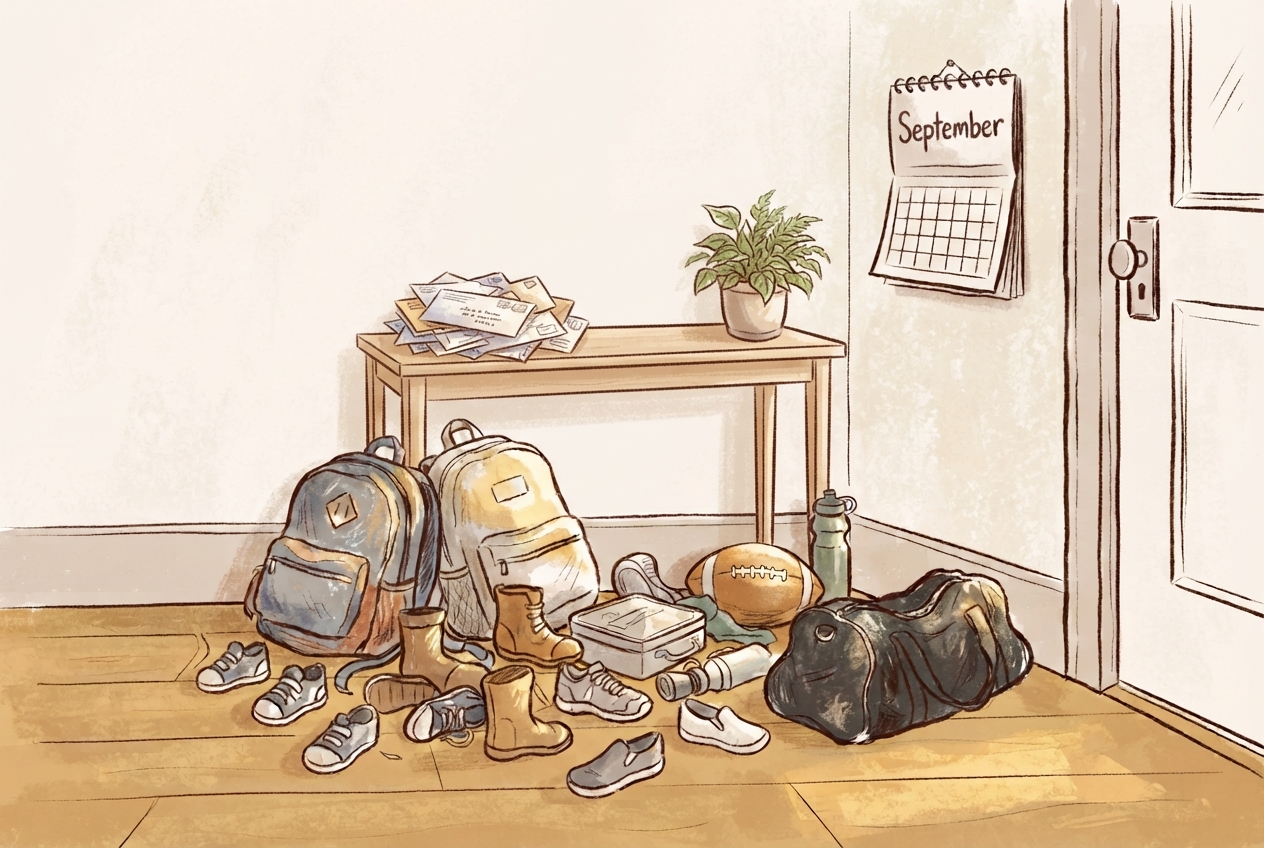
What real mums actually feel about September
Nobody really talks about what September feels like for the person holding the whole thing together. We asked three mothers to tell us, in their own words. No filtering, no tidying up. Just the real version.
Practical Guide
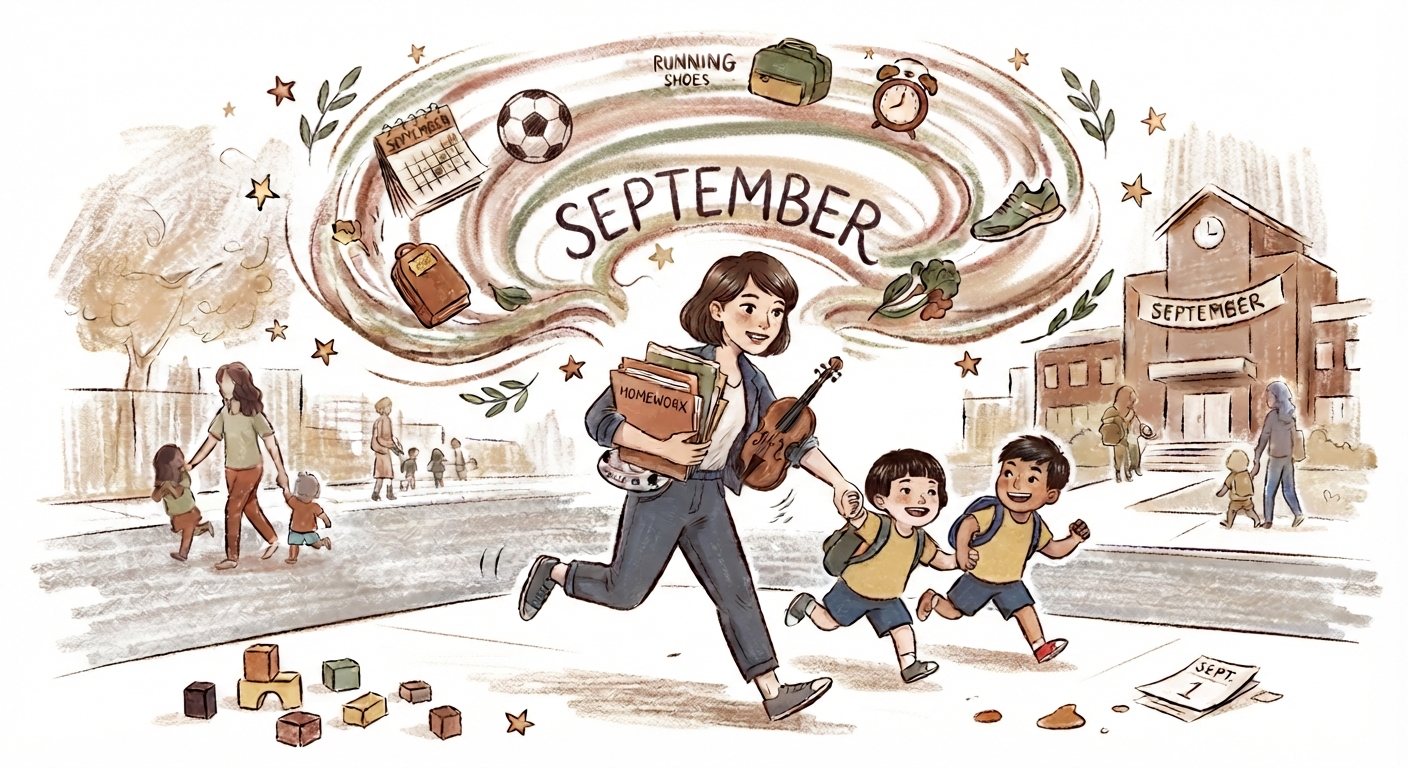
Five things worth trying this September
September is not just back to school. It is the best time of the year to start something new. Better than January, better than a Monday, better than a fresh notebook. Here is where to start.
Mind & Connection
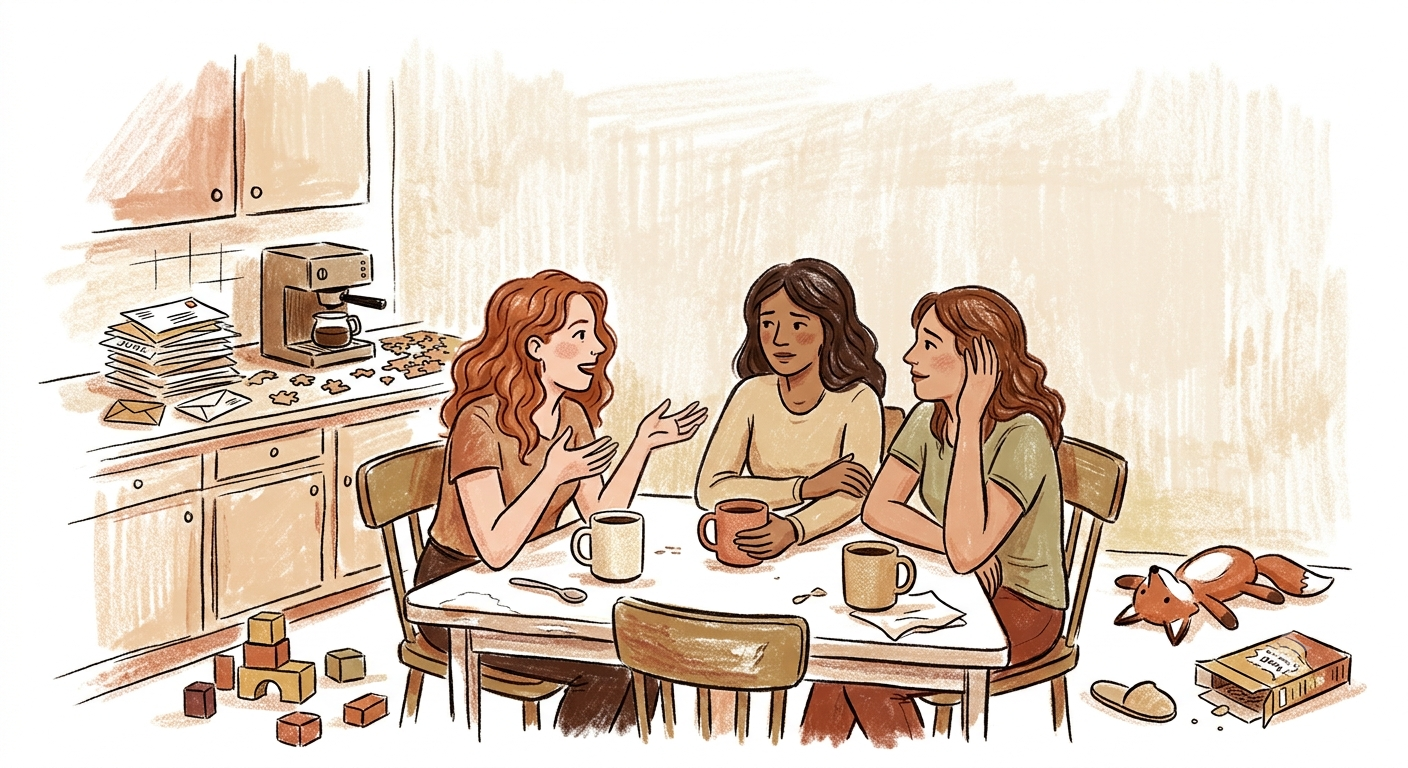
The science of venting
Why talking to your best friend about something makes you feel better isn't just emotional support. It's biology. Your nervous system is literally designed to use other people to calm itself down. And it turns out the act of saying something out loud matters more than you might think.
Rest & Recovery
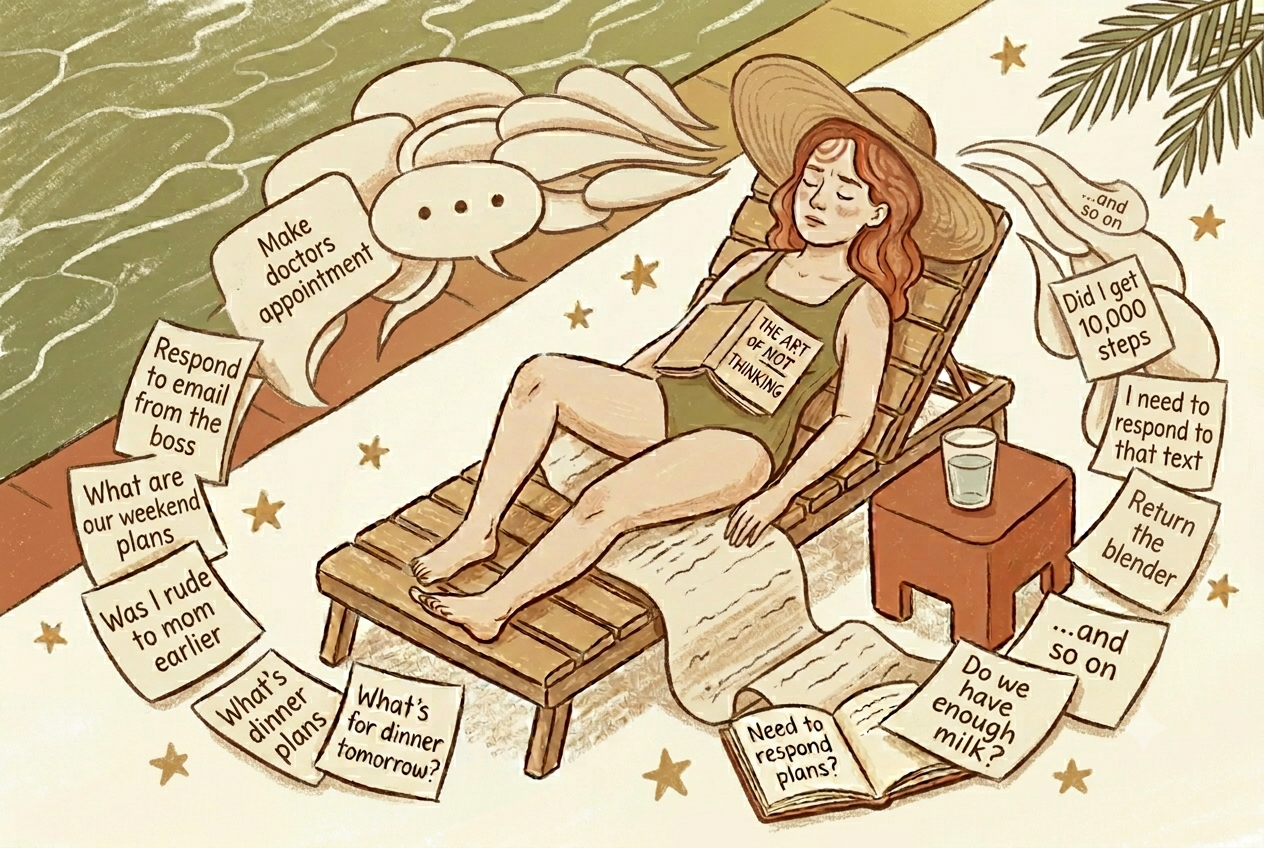
Why rest doesn't feel restful anymore
You sit down. You have nowhere to be. And within about ninety seconds, the list starts. The thing you forgot to do. The email you didn't send. The nagging feeling that you should be doing something. Sound familiar? It's not laziness. It's your brain doing exactly what modern life trained it to do.
Culture & Burnout
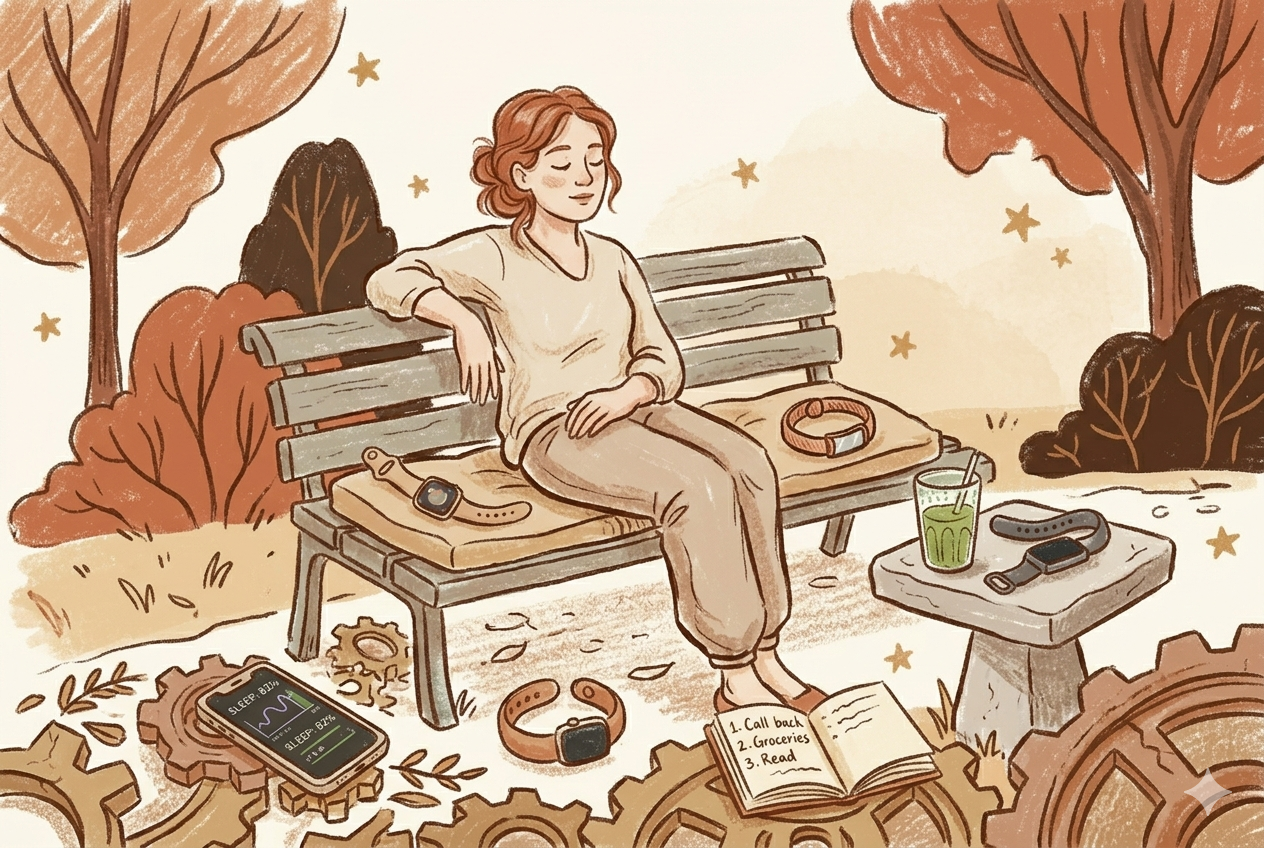
We optimised everything. Now we are exhausted.
Productivity culture promised that if you tracked enough, optimised enough, and hustled hard enough, life would get better. For millennial women especially, it delivered something else entirely: a new kind of exhaustion with a wellness aesthetic slapped on top.
Mind & Cognition
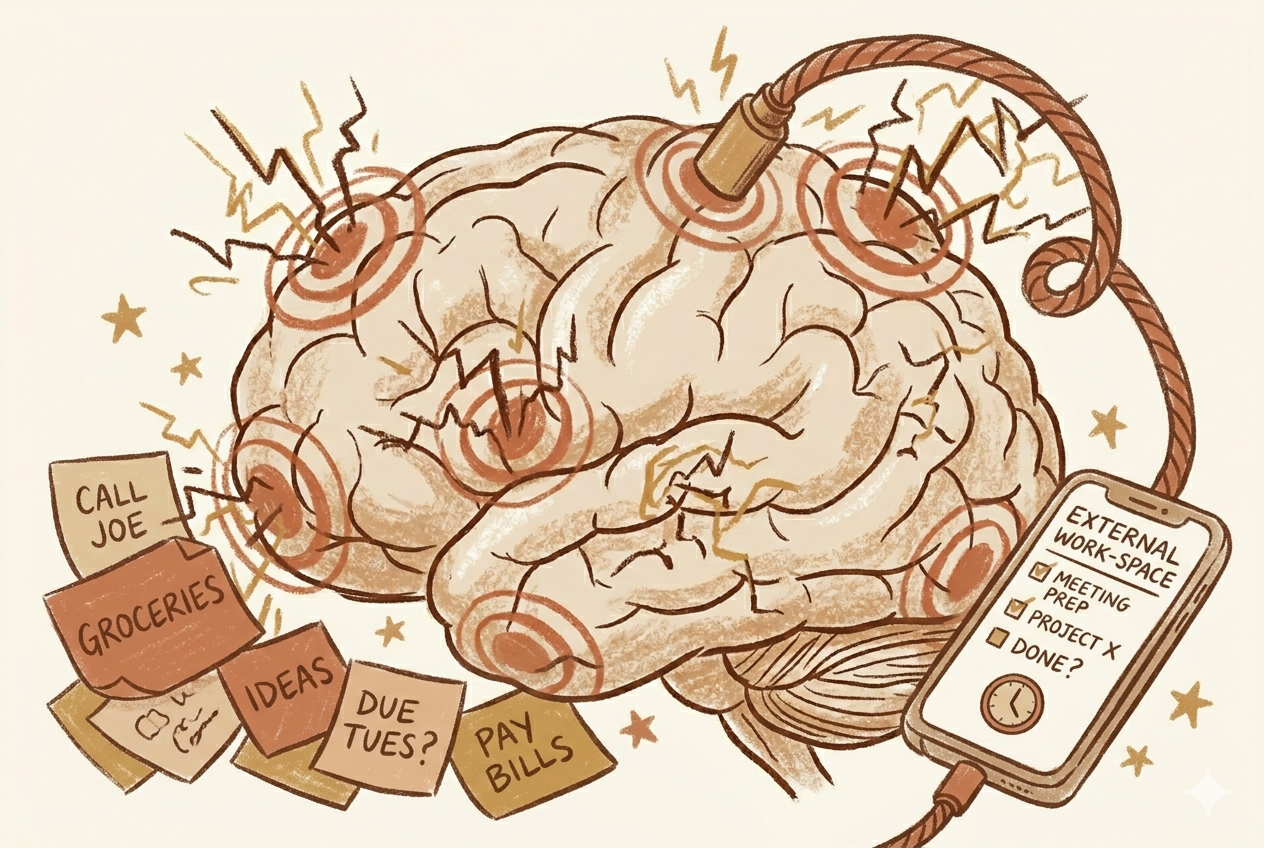
When your brain won't hold things
Some people find that thoughts evaporate before they can act on them, that tasks feel impossible to start despite genuinely wanting to, that the internal to-do list is somehow both overwhelming and invisible. Research suggests that speaking out loud might be one of the most effective things you can do about it.

Women & Work
The six-week stretch
Summer holidays are supposed to be a break. For working mothers, they are six weeks of unpaid logistics, invisible planning, and a career tax that compounds quietly every single year.
Work & Cognition
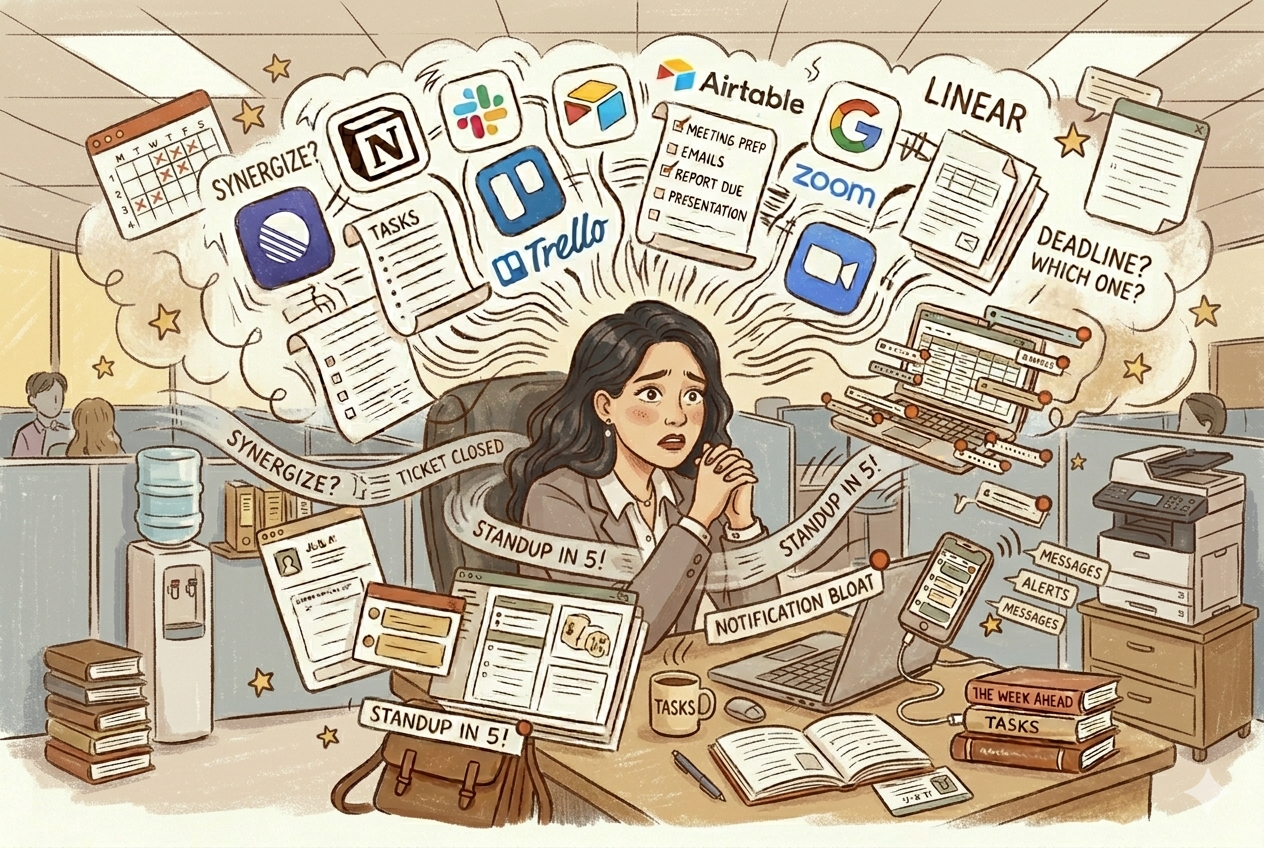
The tools that were supposed to help are making your brain hurt
Slack. Teams. Zoom. The calendar that books itself. The AI tool your company just mandated. Modern work has never had more productivity technology — and knowledge workers have never been more cognitively exhausted. That's not a coincidence.
Mind & Modern Life
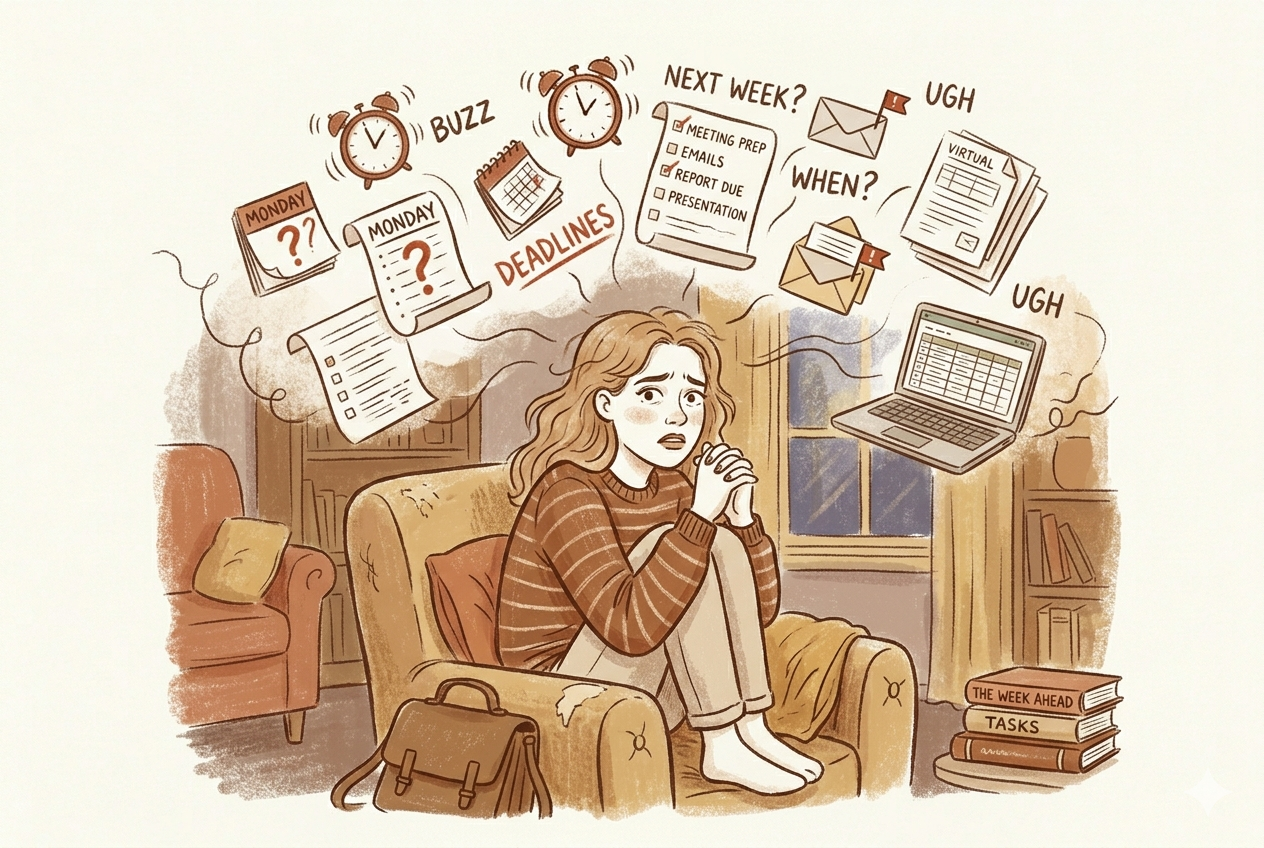
It's 4pm on Sunday. Here comes the dread.
The Sunday scaries aren't a personal failing or a sign you hate your job. They're a neurological event — one that's getting worse, and telling us something uncomfortable about how we work now.
Technology & Behaviour
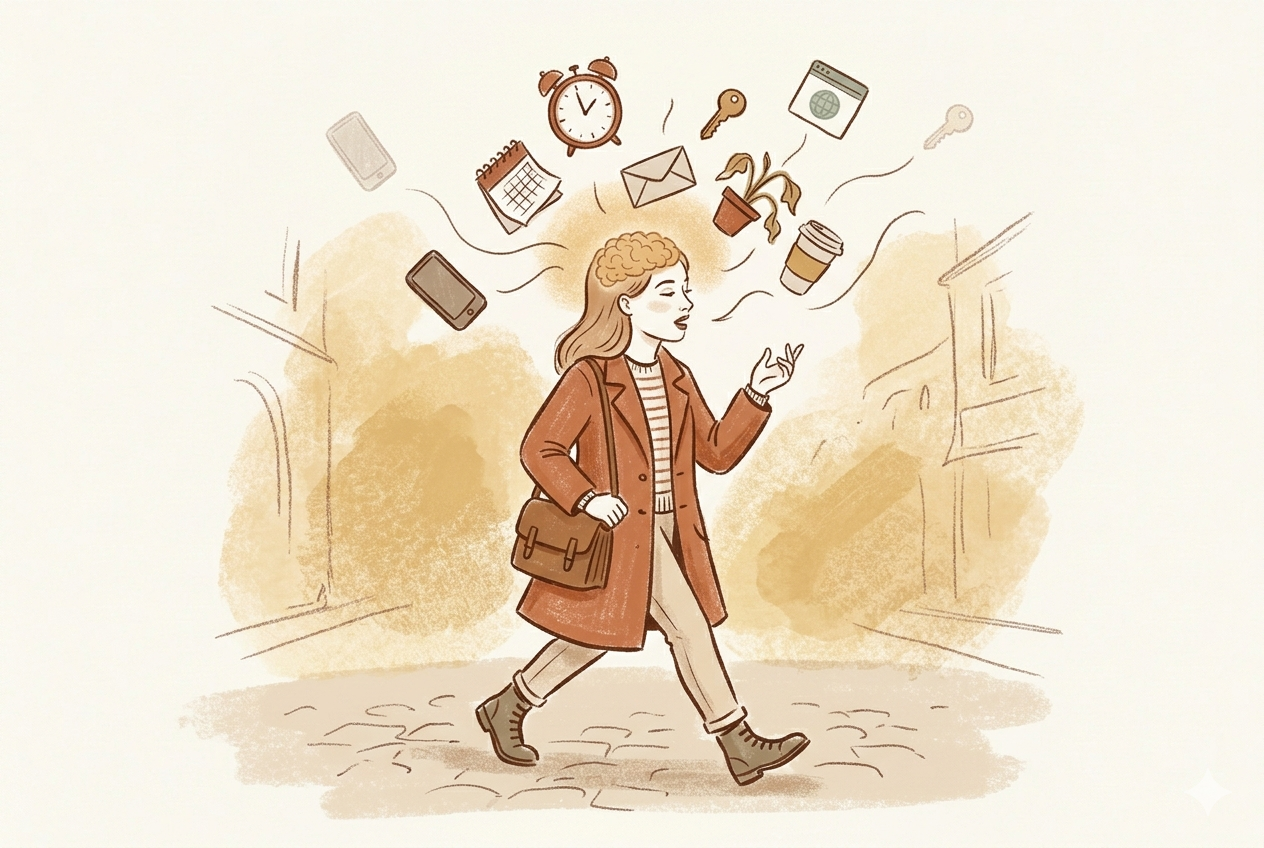
Why you should be talking to your phone more
Voice input is faster, lower effort, and — in the right context — genuinely better for your brain than typing. So why does it still feel slightly weird?
Mind & Wellbeing
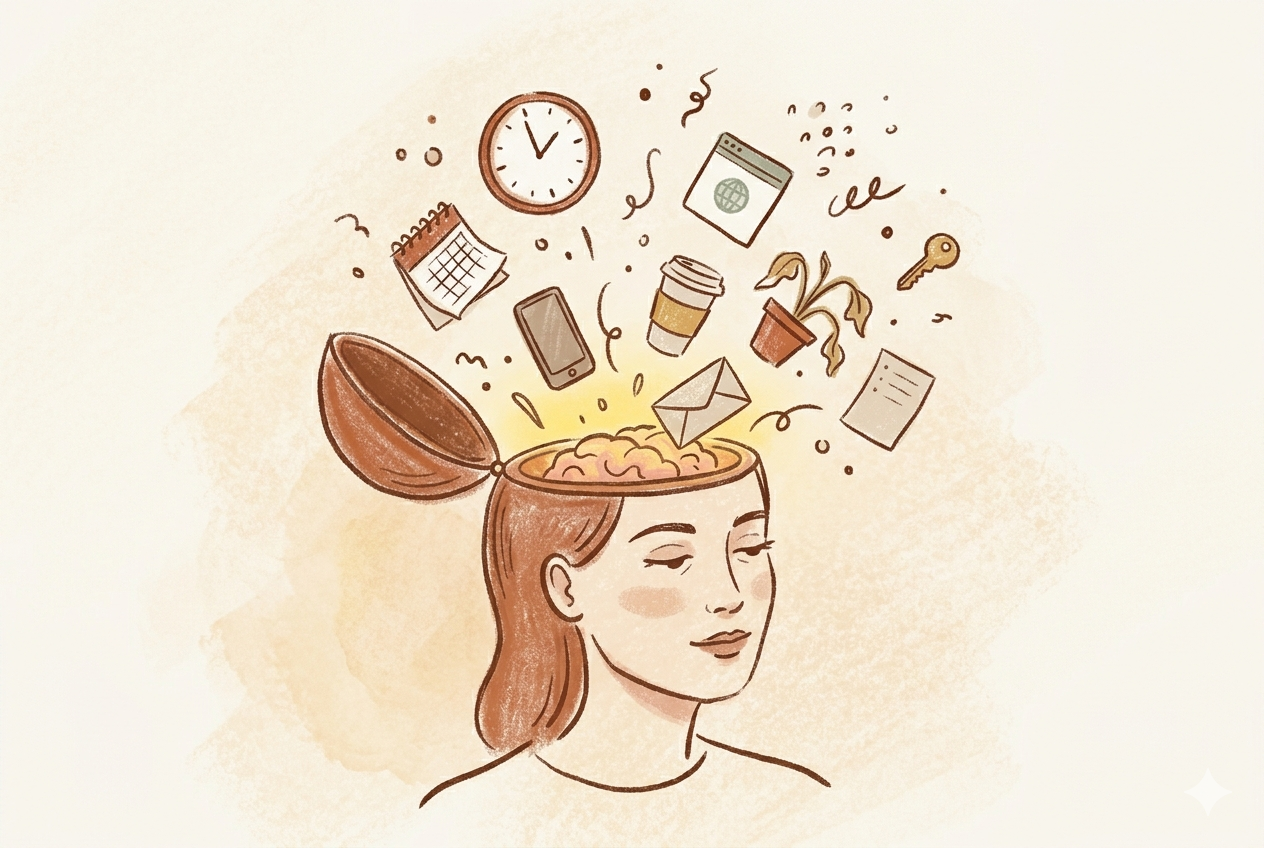
Why getting it out of your head actually works
There's four decades of science behind the idea that externalising your thoughts makes you healthier, calmer, and sharper. Here's what the research says.
Attention & Cognition
The mental load in the age of cognitive overload
Your brain didn't get slower. It got hijacked. Here's what two decades of digital life have quietly done to the way we think.